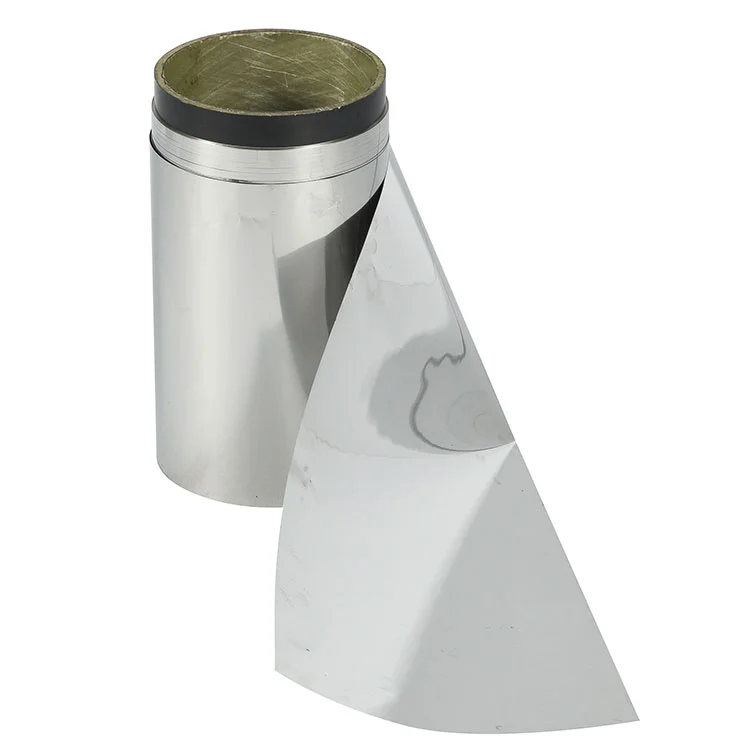
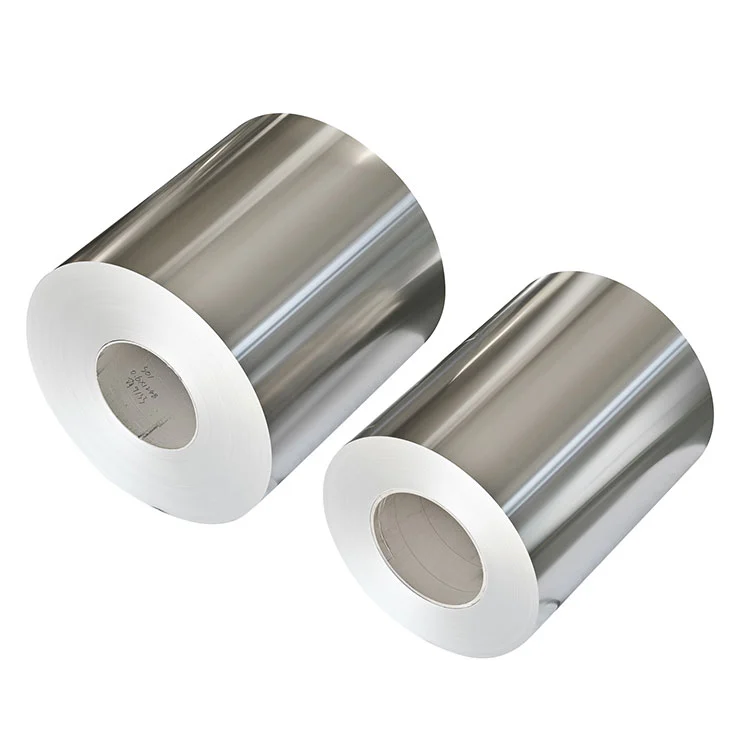
Stainless Steel looks “safe” on paper—until it pits near salt spray, warps during forming, shows fingerprints on a consumer product, or arrives with a finish that doesn’t match your sample. This guide translates the most common buyer pain points into a clear decision path: choosing the right grade, specifying finish and form, preventing corrosion-by-contamination, and verifying quality with the documents and tests that matter. Along the way, you’ll get a grade comparison table, a quoting checklist you can paste into RFQs, and a practical FAQ for day-to-day sourcing questions. If you’re evaluating suppliers such as Ningbo Huali Steel Co., Ltd., you’ll also learn what to ask for to reduce risk and speed up approvals.
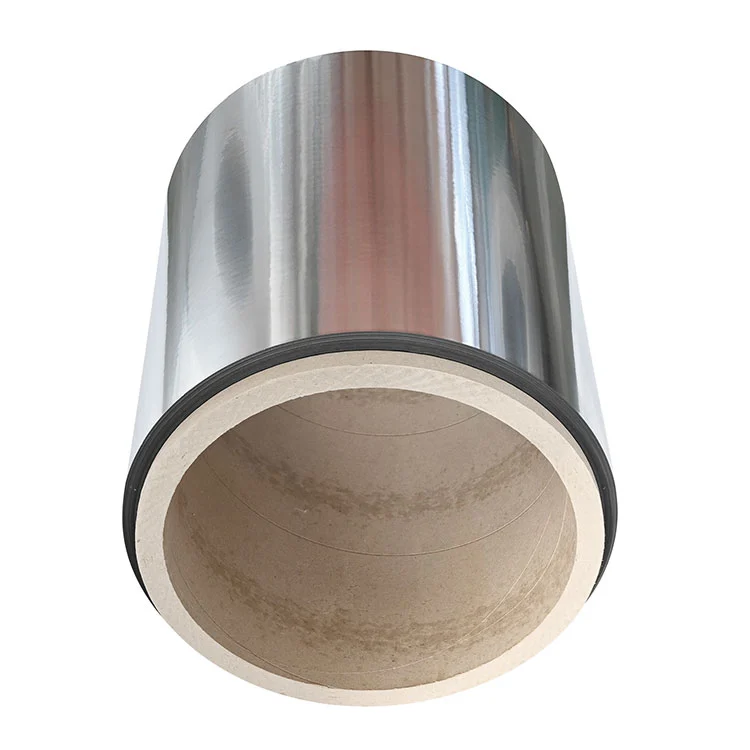
Most Stainless Steel sourcing problems aren’t dramatic—they’re expensive, slow, and quietly embarrassing. Here are the patterns that keep showing up across industries like appliances, automotive components, electronics, kitchenware, and architectural decoration:
The fastest way to reduce these risks is to stop ordering “Stainless Steel” as a generic label and start ordering it as a controlled system: grade + finish + thickness + temper + tolerance + verification.
Stainless Steel gets its corrosion resistance from a thin chromium-oxide passive layer. That layer is tough—but it’s not magic. If the wrong grade meets the wrong chemistry (think chlorides) or your surface gets contaminated with free iron (from carbon steel tooling, grinding dust, or careless storage), corrosion can show up faster than your customer’s complaint email.
The key buyer takeaway: corrosion resistance, formability, and cost move together. If your environment is aggressive, “cheaper Stainless Steel” can become the most expensive option once rework, warranty claims, or recalls happen.
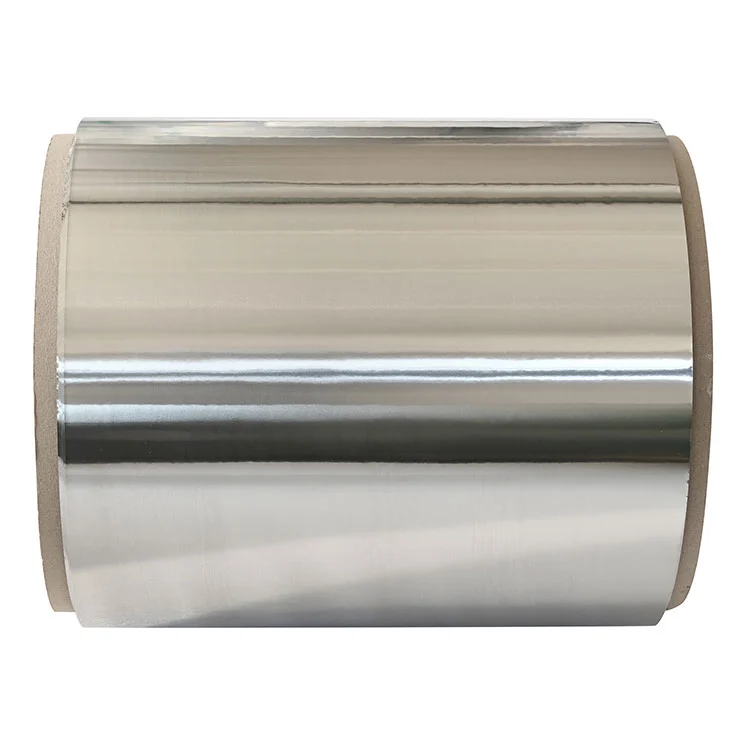
If you’ve ever been forced to choose between “304” and “316L” with zero context, this framework is for you. It works because it starts with failure modes and manufacturing reality—not marketing claims.
For consumer-facing parts, appearance is performance. For industrial parts, traceability and mechanical consistency may matter more. Write it down as acceptance criteria: roughness range, gloss, scratch limits, flatness, and documentation requirements.
Below is a practical, non-exhaustive guide. Always validate with your application, standards, and customer requirements.
| Grade (example) | Best for | Buyer watch-outs | Relative cost (typical) |
|---|---|---|---|
| 304 / 304L | General purpose; good forming; many consumer and industrial uses | Can pit in chloride-heavy environments; specify finish clearly for cosmetic parts | $$ |
| 316 / 316L | Better chloride resistance; coastal, chemical-adjacent, food processing | Higher cost; make sure you truly need it (or you’ll overpay) | $$$ |
| 321 | Elevated-temperature service where stability matters | Not a universal upgrade; use when heat exposure is real | $$$ |
| 430 | Indoor appliances, decorative panels, cost-sensitive projects | Lower corrosion resistance than 304; environment matters | $ |
| 410S / 410 | Some mechanical parts; heat and wear considerations | Corrosion resistance differs from austenitics; confirm requirements | $–$$ |
| 310S / 309S | Higher-temperature applications | Overkill for normal environments; avoid paying for a spec you don’t need | $$$–$$$$ |
| 904L | More aggressive chemical environments (special cases) | Costly; verify necessity, availability, and lead time early | $$$$ |
Buying tip: If your team keeps debating grades, run a “worst-case cleaner + environment” check. The cheapest Stainless Steel is the one you don’t have to replace.
Many disputes happen because two sides agreed on a grade but never truly agreed on what the surface should look like or how the material will behave in production.
Terms like 2B, BA, hairline (HL), and mirror/8K are widely used, but buyers still need measurable or sample-based definitions: surface roughness targets, direction of brushing, protective film requirements, and allowable defects.
For cosmetic parts, attach a reference sample or define a measurable standard (e.g., roughness range and inspection lighting). For production stability, specify thickness tolerance, flatness expectations, and temper/hardness range.
If you’re evaluating Ningbo Huali Steel Co., Ltd. as a supplier, a smart approach is to align your order with the forms and finishes already standardized in their catalog (then tighten acceptance criteria via samples and incoming inspection). This keeps quoting efficient while still protecting your end-use requirements.
Stainless Steel verification is not about “trust issues.” It’s about preventing expensive downstream failures and audit pain. Here’s what strong buyers routinely request.
| Test | What it catches | When to use it |
|---|---|---|
| PMI (positive material identification) | Wrong grade / mix-ups | First article, supplier change, high-risk applications |
| Hardness check | Temper inconsistency affecting forming | Stamping/drawing lines, springback-sensitive parts |
| Surface inspection under defined lighting | Cosmetic defects, film issues | Decorative panels, consumer-facing parts |
| Salt spray / corrosion screening (when relevant) | Pitting risk signals | Coastal, chloride-heavy, or harsh-cleaner environments |
Red flag: if a quote is vague on finish, temper, or standards, you’re not comparing offers—you’re comparing assumptions.
Paste the checklist below into your RFQ and watch your quote quality improve. It forces clarity early—before production, before shipping, before arguments.
If you’re uncertain, request a small trial lot first—then lock the exact “golden sample” finish and mechanical behavior before mass production.
It can. Stainless Steel resists corrosion because of a passive layer, but chlorides, harsh cleaners, free-iron contamination, and the wrong grade can lead to staining or pitting. Grade selection and clean handling practices matter as much as “stainless” branding.
Not always. 316L is often chosen for better chloride resistance, but it costs more and may increase lead time depending on availability. If your environment is mild and your priority is formability and cost, 304/304L may be the better fit.
“Hairline” is a category, not a single finish. Abrasive type, grit size, line direction, and polishing process vary by supplier. For cosmetic projects, define roughness targets or approve a physical sample under agreed inspection lighting.
Ask for an MTC with heat/lot numbers and matching labels on packaging. For critical applications, consider PMI verification on the first lot and keep a retained sample from each batch for reference.
Share your process (stamping, deep drawing, bending radius, welding) and specify temper/hardness range and thickness tolerance. Inconsistent hardness is a common reason parts crack or spring back unexpectedly.
If you want Stainless Steel that behaves predictably in production and holds up in real environments, start with a tight spec and a simple verification plan. Then choose a supplier who can respond with clarity—grade options, finish samples, documentation, and packaging that protects the surface through shipping.
If you’re sourcing coils, strips, sheets, plates, or foils and you want a quote that matches your real use case, share your application details and acceptance criteria with Ningbo Huali Steel Co., Ltd. and ask for a trial lot plus documentation. When you’re ready to move forward, contact us with your target grade, finish, thickness, and quantity—your next order can be the one with zero surprises.